Thinking about a move to Allentown but not sure what daily life really looks like? You are not alone. Many buyers weigh Allentown for its blend of urban energy, regional job access, and relative affordability compared to bigger East Coast metros. In this guide, you will learn how the city lives day to day, from neighborhoods and commutes to parks, culture, and market context. Let’s dive in.
Allentown at a glance
Allentown is Pennsylvania’s third‑largest city with a population of roughly 125,000, and it anchors the Lehigh Valley region. The city’s demographic mix includes a large Hispanic/Latino community and a range of ages and household types. You will find more renters and multi‑family buildings near the core, with more owner‑occupied pockets on the edges.
As the Lehigh Valley’s urban hub, Allentown connects to healthcare, industrial, and education employers across the region. It sits about 60 miles to Philadelphia and around 90 miles to New York City, which makes weekend trips doable. For a quick data snapshot, see the U.S. Census profile for Allentown city, Pennsylvania.
Neighborhoods and housing styles
Allentown offers a wide range of neighborhoods. The feel can change block by block, so plan in‑person visits and drive times.
- Downtown / Center City. A mixed‑use core with new venues, restaurants, and loft conversions. It works for you if you want walkable access to events, dining, and apartment or condo options.
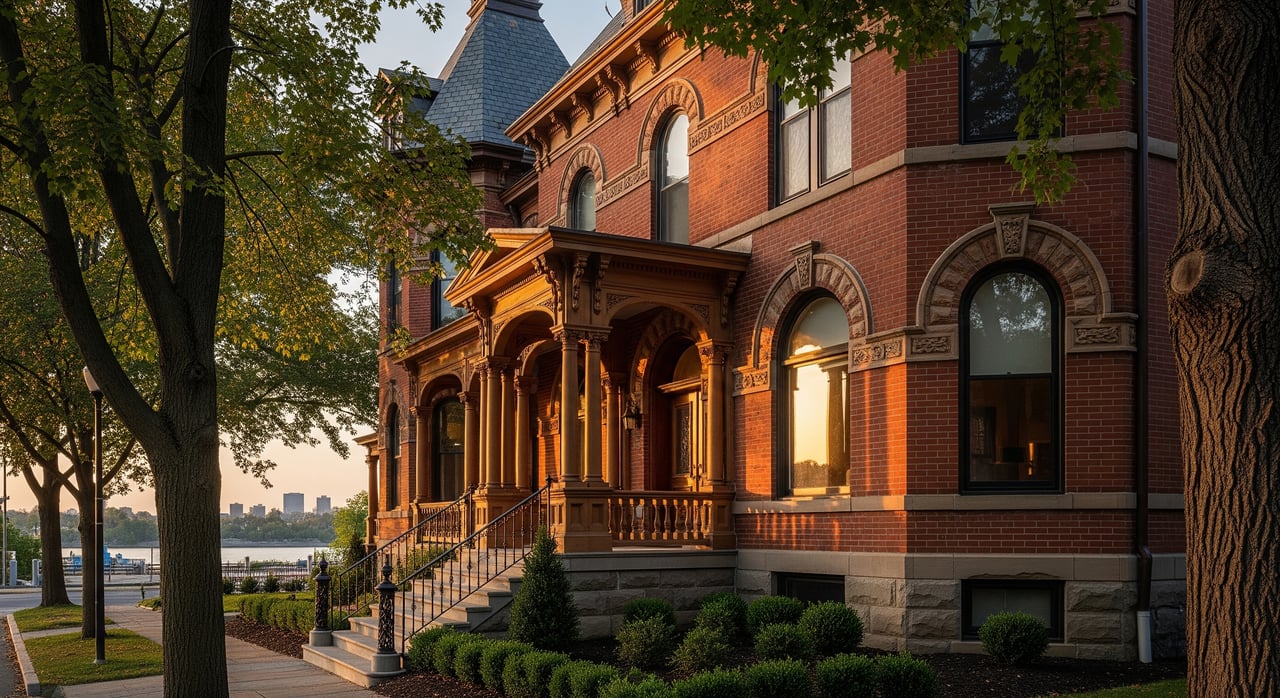
- Old Allentown and historic districts. Victorian and early‑20th‑century homes with character near the core. Expect older housing stock, tree‑lined streets, and a traditional rowhome pattern in places.
- South Allentown and near‑river areas. A mix of industrial legacy sites, ongoing redevelopment, and access to parks and trails. You will see adaptive reuse around some former industrial buildings.
- West and North neighborhoods, plus nearby townships. A more suburban pattern with single‑family homes, larger lots, garages, and newer construction outside the immediate center.
Housing types include rowhouses and townhouses, single‑family Victorians, mid‑century suburban homes, newer townhome communities, and rental apartment complexes. Downtown skews toward apartments and condos, while the outskirts and adjacent suburbs offer more single‑family choices.
Tip: If you depend on a car for work, map your daily route from any home you are considering during rush hour. If you prefer walkability, focus on pockets near downtown services and bus routes.
Schools and learning options
Within city limits, families look at the Allentown School District and also consider charter or private options based on their priorities. School performance varies by campus, so review data carefully and visit in person to understand programs and enrollment policies. For district information and enrollment resources, start with the Allentown School District.
For higher education and community programs, nearby institutions include Muhlenberg College, Cedar Crest College, and Lehigh Carbon Community College. Lehigh University in Bethlehem is a short drive and contributes to the area’s cultural calendar and job network.
Getting around and commute reality
Allentown is car‑oriented for many residents, especially those who commute to jobs in distribution, healthcare campuses, and industrial parks. Major routes like I‑78 and US‑22 connect quickly across the Lehigh Valley. Drives to Philadelphia often run 1 to 1.5 hours, and to New York City 1.5 to 2 hours, depending on traffic.
Public transit is available through the regional bus network. LANTA connects Allentown with Bethlehem, Easton, and surrounding communities. Check routes and frequency on LANTA’s system to see if specific neighborhoods fit your routine.
For intercity travel, scheduled buses run to New York City and Philadelphia. You can review options with Trans‑Bridge Lines. If you fly often, Lehigh Valley International Airport (ABE) sits a short drive from downtown and offers service to national hubs. Learn more at Lehigh Valley International Airport.
Parks, culture and weekend fun
Outdoor time is easy to find. Allentown maintains a strong park network with neighborhood playgrounds, athletic fields, and trails. The Lehigh Parkway is a local favorite for running, biking, fishing, and river views. Explore amenities and locations through Allentown Parks & Recreation.
The city’s dining scene keeps growing, with Latin American and international flavors, bakeries, coffee shops, and craft beers. Downtown, the PPL Center anchors big concerts and sports, which brings steady energy to restaurants and bars nearby. Check upcoming events at the PPL Center.
For arts and culture, the Allentown Art Museum and Miller Symphony Hall offer exhibitions, performances, and community programming. In late summer, the Great Allentown Fair brings a classic agricultural fair experience to the Allentown Fairgrounds. See dates and programming at the Great Allentown Fair.
Cost of living and market context
Allentown and the broader Lehigh Valley often offer lower housing costs than many Philadelphia or New Jersey suburbs closer to New York City, while generally being higher than rural parts of Pennsylvania. Prices and affordability vary by neighborhood and housing type.
Like other mid‑sized regions, the Lehigh Valley saw a post‑pandemic surge in home prices with some cooling in 2023–2024. Interest rates, inventory, and job growth shape month‑to‑month conditions. For current median prices, time on market, and inventory trends, check the Lehigh Valley Association of REALTORS market reports.
If you plan to purchase, factor in commute costs, potential renovation needs with older homes, and the benefit of newer systems in recent construction. If you plan to rent, availability and pricing change quickly downtown versus farther out, so start your search early.
Safety and on‑the‑ground feel
Like most cities, reported crime varies by neighborhood and even block. Downtown revitalization has increased foot traffic and commercial activity, and public safety initiatives are ongoing. The best approach is to review official data and visit in person at different times of day. For maps and updates, use the Allentown Police Department resources at the City of Allentown Police.
How Allentown compares nearby
- Allentown vs. Bethlehem. Bethlehem’s historic core is often viewed as more walkable with a college‑town feel and marquee festivals. Allentown is larger, with a wider housing mix and major venues like the PPL Center.
- Allentown vs. suburban townships. Whitehall, Upper Macungie, and Emmaus offer more suburban patterns, larger lots, higher homeownership rates, and different school districts. These areas appeal if you want quieter streets and newer construction while staying close to Allentown jobs and amenities.
- Allentown vs. Philadelphia/NJ suburbs. You will typically find lower housing costs and less congestion than many close‑in suburbs, plus shorter local commutes within the Lehigh Valley. You trade off fewer direct rail options to major metros.
Who Allentown fits
You might be a good match for Allentown if you:
- Want urban energy with access to regional parks and trails.
- Prefer a range of housing options, from historic to new builds.
- Need practical access to healthcare, logistics, and education employers.
- Plan to drive for most trips, while using bus service for some local connections.
If you want larger lots, quieter cul‑de‑sacs, or specific district boundaries, nearby townships can offer that suburban feel while keeping your commute within the Lehigh Valley.
Your next step
Choosing the right Allentown neighborhood comes down to your priorities, commute, and budget. A guided tour of options, plus current market data, can save you time and reduce stress. If you are weighing a move within the city or comparing Allentown to nearby suburbs, let a local advisor help you map the tradeoffs and timing.
Have questions or need a neighborhood game plan? Connect with Renee Marinelli to schedule a consultation and get a clear path forward.
FAQs
Is Allentown, PA safe for everyday living?
- Safety varies by neighborhood and block; review official crime maps, visit areas at different times, and use City of Allentown Police resources to understand recent trends.
What are typical Allentown commute times to Philadelphia and NYC?
- Many local commutes within the Lehigh Valley are short to moderate; driving to Philadelphia often takes 1 to 1.5 hours and to New York City about 1.5 to 2 hours, depending on traffic.
Is there public transit in Allentown?
- Yes, LANTA buses connect Allentown with Bethlehem, Easton, and nearby communities; intercity buses provide scheduled service to New York City and Philadelphia.
What types of homes are common in Allentown?
- Expect downtown apartments and condos, historic rowhomes and Victorians, mid‑century single‑family houses, and newer townhomes and suburban builds on the edges.
Are there airports close to Allentown?
- Lehigh Valley International Airport (ABE) is a short drive from downtown and offers flights to national hubs, which simplifies regional business and family travel.
How can I track the Allentown housing market?
- For current median sale prices, time on market, and inventory trends, check the Lehigh Valley Association of REALTORS reports and pair that with on‑the‑ground neighborhood tours.


