If you want your first home to help pay for itself, Easton may be worth a closer look. House hacking can be a smart path for buyers who want to live in one part of a property and offset costs with rental income, but it only works when you run the numbers carefully and understand local rules. In Easton, the mix of housing types, zoning options, and rental demand creates real possibilities, especially for duplexes and small multi-unit properties. Let’s dive in.
What house hacking means in Easton
House hacking usually means buying a property, living in one unit, and renting out the other unit or units. For some buyers, it can also mean purchasing a two-family home, living in one side, and collecting rent from the other.
In Easton, that strategy fits the local housing landscape better than many people realize. According to Easton city Census QuickFacts, the city had a 2024 population estimate of 30,432, an owner-occupied housing rate of 44.5%, and a median gross rent of $1,325. That points to a city with a meaningful rental market, which is one reason buyers often explore owner-occupied multi-unit options here.
Why Easton supports multi-unit options
Easton’s zoning framework shows that the city is not limited to single-family housing. The city’s district standards emphasize a mix of housing types, adaptive reuse, and redevelopment that fits the character and scale of existing neighborhoods, including College Hill, South Side, West Ward, and Downtown.
That matters if you are searching for a property that can support a house-hack strategy. Based on the zoning structure, Easton can accommodate duplexes, two-family layouts, small apartment buildings, and some mixed-use residential options in certain areas. For buyers, that means you may have more flexibility than you would in a market dominated by only detached single-family homes.
Property types to watch
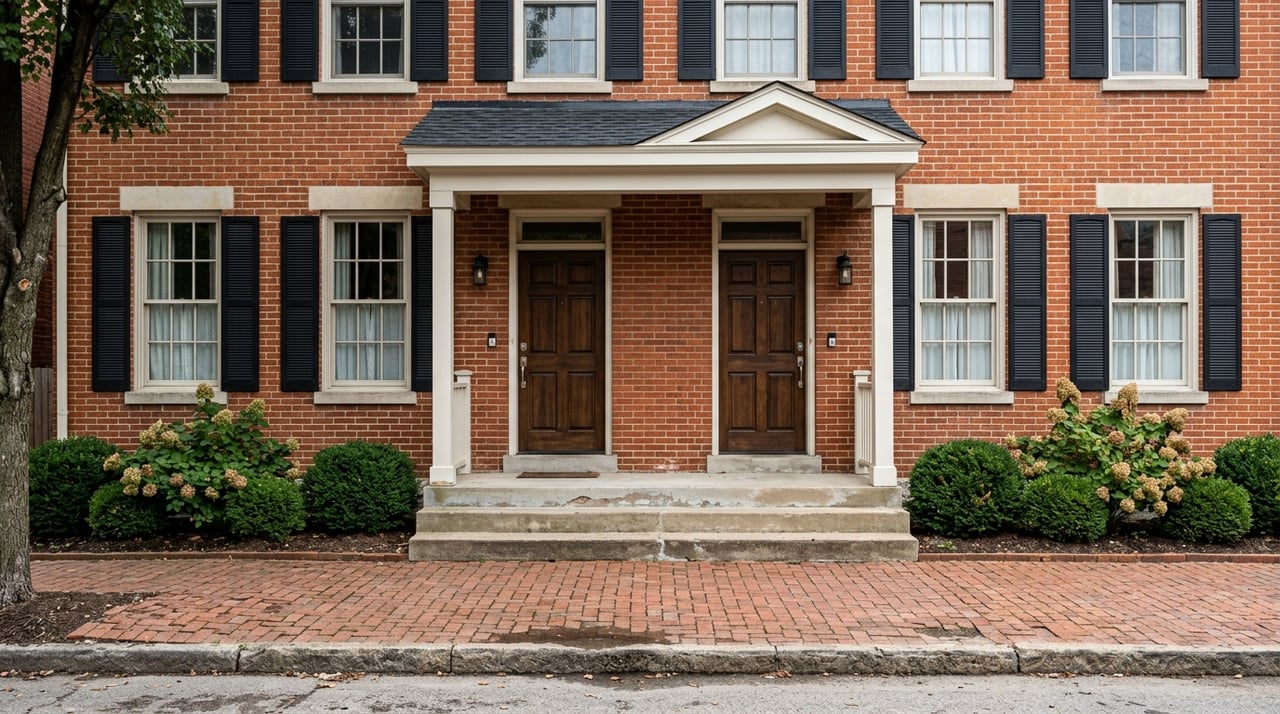
Easton’s zoning code gives helpful clues about which property types are most realistic for a house hack. The city defines several residential categories, including two-family detached, semidetached, attached, and multifamily uses.
For most buyers, the most practical options are:
- Duplexes
- Two-family conversions
- Small 3-4 unit buildings
- Some downtown mixed residential/business buildings if your goals and financing match that property type
In College Hill, South Side, and West Ward, a mix of single-family and two-family forms is allowed, while some small multifamily uses may require special exception approval. Downtown allows more intensive residential forms, including larger multifamily categories by right in some cases. That does not guarantee every property will fit your plan, but it does mean Easton offers more small multi-unit potential than many buyers expect.
Run conservative house-hack math
This is where many buyers either make a smart decision or a painful one. A property may look promising on paper, but your success depends on using realistic income, expense, and vacancy assumptions.
Easton’s Census figures show a median gross rent of $1,325 and median monthly owner costs with a mortgage of $1,539, according to Census QuickFacts. That does not mean every deal loses money, but it does suggest you should not assume rent will automatically cover your full monthly carrying cost.
A safer approach is to budget for:
- Mortgage principal and interest
- Property taxes
- Insurance
- Maintenance and repairs
- Vacancy periods
- Utility costs, if applicable
- Licensing or compliance costs tied to rental use
If the numbers only work in a best-case scenario, it may not be the right property.
Financing basics for owner-occupants
One reason house hacking appeals to first-time and budget-conscious buyers is that owner-occupied financing can be more accessible than investor financing. For FHA-insured purchases, HUD guidance states that at least one borrower must occupy the property within 60 days and intend to live there for at least one year. The minimum required investment is generally 3.5% of the adjusted value.
That owner-occupant requirement is important. If your plan is to buy a 2-4 unit property and live in one unit, your financing path may look very different than if you were buying strictly as an investor.
There is also a potential qualifying benefit. Fannie Mae’s rental income guide says rental income from a 2-4 unit primary residence can be used in qualifying, and lenders often apply a 75% factor to gross monthly rent when using lease or market-rent figures. That helps account for vacancy and maintenance.
Taxes and shared-use expenses
If you live in one part of the property and rent the rest, your tax picture becomes more layered than a standard single-family purchase. The IRS explains that rental income and expenses related to real estate rentals are generally reported on Schedule E, and if a property has both personal and rental use, expenses must be divided between those uses.
That is one reason it helps to build the right team early. A tax professional can help you understand how to separate personal and rental expenses correctly, especially for interest, insurance, taxes, and maintenance.
Easton due diligence matters more here
A great house-hack purchase is not just about price and rent. In Easton, you also need to confirm whether the property’s current use is lawful, whether licensing is current, and whether your future plan matches zoning.
The city’s Zoning Office directs owners and buyers to use the zoning district map and notes that zoning review can take up to 90 days. If you plan to add a unit, change the use, convert space, or rent in a different way than the property is currently used, timing matters.
This is especially important if you are buying with a tight financing or inspection schedule. You want to know early whether your plan is straightforward, needs approvals, or may not be allowed as expected.
Buyer notification inspections and rental licensing
Easton also requires a buyer notification inspection report before title transfer, with some exceptions for multifamily properties that already have current rental licenses and recent rental inspection reports. The report can remain valid for up to one year and may be extended to two years.
If you are buying a multi-unit property, you should ask for documentation early in the process. That can include inspection records, rental licenses, and any history of code compliance tied to the building.
Easton’s rental code adds another layer. It requires annual registration for regulated rental units and states that a rental license will not be issued or renewed until a business license is obtained and certain overdue taxes or city charges are paid. The code also states that a license or inspection alone does not guarantee that a unit is lawful, safe, habitable, or fully compliant.
In plain terms, paperwork matters, but verification matters more.
Be careful with room-rental plans
Some buyers picture house hacking as renting out bedrooms rather than separate units. That can work in some markets, but in Easton you need to be especially careful because room-by-room rental plans can fall under different zoning and licensing rules.
Easton’s code includes a rooming-house definition and occupancy limits. The city also states in its rental code that a regulated rental unit generally cannot be occupied by more than three unrelated persons unless zoning specifically allows otherwise. If your strategy depends on renting individual rooms, confirm how the property is classified before you buy.
A smart Easton house-hack checklist
Before you move forward on a duplex or small multi-unit property in Easton, make sure you can answer these questions:
- Is the current use legal under the property’s zoning district?
- If you want to change the layout or use, what approvals are required?
- Does the property have a current rental license, if applicable?
- Are there recent inspection reports on file?
- Will your lender count projected rental income, and under what guidelines?
- Do the numbers still work with vacancy, repairs, and maintenance built in?
- If you plan to rent rooms, does the property meet the city’s definitions and occupancy rules?
These steps can save you from buying a property that looks promising online but becomes expensive or difficult once the details surface.
Where local guidance makes a difference
House hacking is one of those strategies that sounds simple from a social media post, but the real-world version is more nuanced. In Easton, the best opportunities are often found by combining neighborhood knowledge with careful review of zoning, inspection history, financing options, and realistic monthly costs.
That is where a local advisor can help you narrow the field quickly. Instead of chasing every duplex or small multi-unit listing, you can focus on properties that actually fit your budget, your occupancy plan, and the city’s rules.
If you are exploring house hacking, a duplex purchase, or your first owner-occupied multi-unit property in Easton, working with Renee Marinelli can help you sort through the details with a clear, local, step-by-step approach.
FAQs
What is house hacking in Easton, PA?
- House hacking in Easton usually means buying a home with two to four units, living in one unit, and renting out the other unit or units to help offset your housing costs.
What multi-unit property types are common for house hacking in Easton?
- Based on Easton’s zoning code, the most likely options are duplexes, two-family homes, two-family conversions, and some small 3-4 unit buildings.
Can FHA financing work for an Easton multi-unit home purchase?
- Yes, if you qualify and plan to occupy the property. HUD says at least one borrower must move in within 60 days and intend to live there for at least one year, with a minimum required investment generally set at 3.5% of the adjusted value.
Can rental income help you qualify for an Easton house hack?
- In some cases, yes. Fannie Mae says rental income from a 2-4 unit primary residence can be used in qualifying, and lenders commonly apply a 75% factor to gross rent when using lease or market-rent figures.
Do Easton rental properties need licenses and inspections?
- Many do. Easton requires annual registration for regulated rental units, and buyers should also review inspection history, rental licensing status, and any buyer notification inspection requirements before closing.
Should you rent rooms or full units in an Easton house hack?
- That depends on the property and local rules. In Easton, room-rental plans can trigger different zoning and occupancy considerations, so you should verify the property classification before you buy.