Two homes on the same Allentown block can sell tens of thousands apart. If you have wondered why, you are not alone. You want clear answers you can use, whether you are planning to sell, preparing to buy, or just tracking your equity. In this guide, you will learn the specific factors that move prices in Allentown and the Lehigh Valley, how to judge upgrades, and when to trust online estimates. Let’s dive in.
Today’s Allentown pricing snapshot
Public trackers often show different numbers because they use different methods and dates. As of late 2025 to early 2026, city-level sources reported a median Allentown sale price in the high $200s, roughly 250,000 to 303,000 depending on the source and time window. For example, Redfin’s Allentown page showed a median around 250,000 in February 2026, while other trackers that blend sales and automated values reported figures near 286,000 to 303,000 as of December 2025.
County and regional medians are higher. Lehigh County and broader Lehigh Valley figures often run in the mid 300s during 2024 to 2025, as reflected in Rocket’s Lehigh County market report. Inventory has been tight, with months of supply frequently in the low single digits. When supply runs lean and buyer demand holds, prices face upward pressure. Always check the month and source when comparing numbers.
The five biggest drivers of value
Location and access
Location is the broadest driver of value. Buyers pay for proximity to what makes daily life easier. In Allentown, that can mean being near Center City conveniences, the West End’s parks and cultural spots, or fast links to I‑78 and Route 22 for regional commutes. Proximity effects are durable because they roll together commute time, school options, amenities, and overall neighborhood condition. Research shows these features are priced into homes over time, not just during one sale cycle. See the evidence on how school and boundary differences affect prices in this academic study.
If your life revolves around Lehigh Valley Health Network, Lehigh University, industrial parks, or Lehigh Valley International Airport, shaving minutes off the drive can be worth a premium. Nearby suburban townships like South Whitehall, Upper Macungie, and Lower Macungie often show different price bands than the Allentown city median, so compare within your immediate micro area before setting expectations.
Size, layout, and condition
Square footage, bed and bath count, and the way rooms flow drive everyday usability and appraised value. Appraisals and CMAs start by matching these facts, then making adjustments. A three bed, two bath with a finished basement and updated systems will typically command more than a similar home with older mechanicals or fewer baths. Lenders and buyers weight these factors heavily because they are quantifiable and affect long term costs. For a quick primer on how appraisers think, see this overview of the appraisal process.
Price per square foot is a useful cross check when you compare nearby homes of similar type and age. Combine $/sqft with bed and bath counts, age, and system updates to be sure you are comparing like with like. Your agent can pull current $/sqft trends from city pages like Redfin and the MLS.
Renovations and finish level
Buyers in Allentown pay a premium for spaces they use every day, especially kitchens, baths, and flooring. National data from Remodeling Magazine’s Cost vs. Value Report shows that well chosen, modest projects tend to recoup a high share of cost at resale. Larger luxury additions usually return less per dollar. Explore the current national patterns at the Cost vs. Value report.
High-ROI, buyer-loved improvements typically include:
- Minor kitchen updates: refreshed cabinet fronts, counters, lighting, and hardware.
- Bathroom refreshes: new vanity, fixtures, caulk, grout, and lighting.
- Flooring: refinished hardwoods or quality LVP where appropriate.
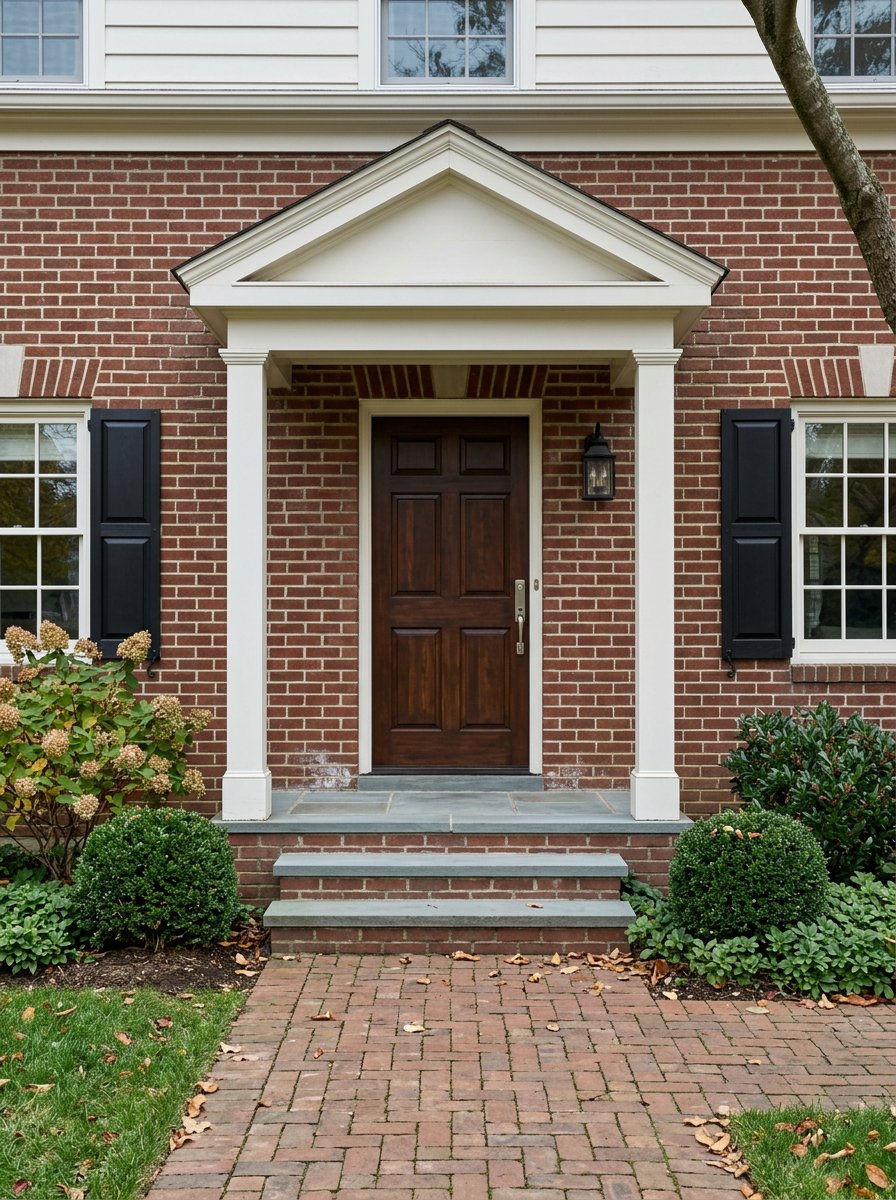
- Curb appeal: new garage or entry door, clean landscaping, and power washing.
- Exterior maintenance: siding repairs and paint where needed.
Two important notes. First, the absolute dollar impact depends on your neighborhood’s price ceiling. A 20,000 kitchen refresh has more lift where nearby homes close at 350,000 than where the band is 200,000. Second, prioritize mechanicals and repairs before cosmetics if your roof, HVAC, plumbing, or electrical are near end of life. Buyers and appraisers reward homes with clear evidence of well maintained systems.
Lot and site details
Lot size is just the start. Usable yard space, a level area for play or gardening, privacy, tree cover, corner vs. mid block placement, off street parking, and drainage all affect value. Zoning and setbacks can also influence future options like additions or a detached garage where permitted. To verify parcel dimensions, tax data, and recorded items, use the county’s records portal at the Lehigh County property records site. Your agent should pull this early so you can anticipate buyer questions.
Amenities and nuisances nearby
Neighborhood amenities can lift value. Disamenities can do the opposite.
- Schools: Families often weigh school performance as part of overall value. Academic research shows school quality tends to be reflected in nearby home prices, though the size of the effect varies by market and grade level. See the boundary study cited above for context.
- Transit and access: In many regions, homes near reliable commuter options see modest premiums. In the Lehigh Valley, fast access to highways, park and ride options, and job centers can matter. See a broad review of transit effects in this meta analysis.
- Nuisances: Busy arterials, industrial uses, or areas prone to frequent flooding can limit demand. Mixed use corridors that add shops and restaurants can increase appeal. Always review neighborhood context in person and through local reports.
Market forces you cannot control
Beyond property specifics, broader forces set the tone for pricing in Allentown:
- Mortgage rates and credit standards: Higher rates cut purchasing power, which can cool price growth or shift demand to lower price points. Public filings and market commentary repeatedly highlight rate movements as a short term driver of sales and affordability. See recent disclosures for context in this SEC filing.
- Inventory: When months of supply dips under roughly three months, competition increases. As supply rises, price growth often settles. Track county and regional snapshots in Rocket’s Lehigh County report and your agent’s MLS updates.
- Local employment: Durable job bases in health care, education, logistics, and manufacturing support housing demand. Pair this context with hyper local comps before setting price.
Why online estimates differ
Automated valuation models are useful starting points. They blend recent sales, listing details, and public records to deliver a quick estimate. They cannot see every interior update, unique lot feature, recent permitted work, or the micro nuances of a block. Zillow’s public filings note that median error rates are lower for on market homes than for off market ones, which means estimates often tighten once a home is actively listed. You can read more about model limits and accuracy in Zillow’s SEC disclosures.
If your online estimate surprises you, take these steps:
- Check the age and distance of the “comps” the tool used.
- Confirm your home’s bed, bath, and square footage in public records.
- Verify major permits and improvements in county records at the Lehigh County portal.
- Ask a local agent for a personalized CMA to reconcile condition and location nuances.
Your next steps: sellers and buyers
If you are selling
- Start with systems and safety. Address roof, HVAC, plumbing, electrical, and moisture issues first.
- Make smart cosmetic updates. Prioritize the high recapture items listed above. Use neutral paint, clean lines, and good lighting.
- Review pricing with a CMA. A thorough CMA should include 3 to 6 recent closed comps, adjustments for features, an analysis of active and pending competition, days on market, and sale to list ratios in your micro market. For an overview of what a CMA includes, see this CMA explainer.
- Stage and present. Good photos, tidy curb appeal, and clear floor plans help buyers see value.
- Time your launch. Consider local days on market patterns, seasonality, and rate news.
If you are buying
- Compare apples to apples. Look at recent, nearby comps with similar size, age, and lot type. Cross check $/sqft and recent updates.
- Verify records. Confirm square footage, taxes, permits, and any easements at the Lehigh County records site.
- Weigh access. Map your commute to I‑78, Route 22, and key destinations you visit often.
- Budget with rates in mind. Ask your lender to stress test a rate move so your offer stays comfortable.
- Inspect and plan. Use the inspection to price in near term system replacements where needed.
The bottom line
Home values in Allentown are shaped by location, property specifics, nearby amenities, and bigger market forces like rates and supply. When you zoom in to your block and your home’s exact features, the price picture becomes clear. If you are selling, target high return projects and back your list price with a solid CMA. If you are buying, verify the data and lean on current comps to craft a strong, fair offer.
Ready to price confidently or find the right home in the Lehigh Valley? Start with a local conversation. Connect with Renee Marinelli for a personalized game plan and on the ground insights.
FAQs
Why do similar Allentown homes sell for different prices?
- Small differences in location, recent updates, lot usability, and timing can create large price gaps. Tight supply can also push well presented homes higher than less prepared ones.
How much can school quality affect prices in the Lehigh Valley?
- Academic studies show school quality can be reflected in nearby home prices, though the effect varies by market and school tier. Always pair school data with hyper local sales.
Which upgrades add the most resale value before selling in Allentown?
- Minor kitchen and bath updates, refreshed flooring, curb appeal items, and key repairs tend to return more than large luxury additions. Align your spend with your neighborhood price ceiling.
How reliable are online home value estimates for Allentown properties?
- They are helpful starting points but can miss upgrades, lot features, and hyper local context. Accuracy is usually higher for on market homes. A CMA refines the range using real comps.
What should I check before making an offer on an Allentown home?
- Confirm recent comparable sales, verify square footage and permits, review taxes and parcel details in county records, map commute routes, and budget for system updates based on the inspection.


